
HSK 4 Reading Practice: 48 Free Chinese Stories
Every free story on this site at an estimated HSK 4 level (HSK 3.0), sorted easiest first and grouped by theme. Each one has pinyin, sentence translations, tap-to-look-up and a Simplified/Traditional switch — no sign-up.
- 48free stories
- 1,994words through HSK 4
- 1,096characters through HSK 4
- 261characters in a typical story
What HSK 4 reading looks like
HSK 4 adds abstract and written-register language: 既然, 不管…都, 连…都, 只要…就, 尽管, 对…来说, and plenty of two-character nouns for ideas rather than things. Stories carry arguments, explanations and longer arcs, and nonfiction appears: biographies of historical figures, business stories and summaries of popular books.
- 1,994 words / 1,096 characters — everything in the 2026 HSK 3.0 lists through HSK 4.
- 261 characters in a typical story here (65–509), with sentences averaging 16.8 characters.
- 90% of the characters in these stories are among those 1,096 HSK 1–4 characters. Any word with an unfamiliar character is one tap away from its meaning.
- 1,255 different characters appear across all 48 stories — 11,711 characters of reading in total.
New to this level, or not sure you're at it? Try the intermediate picks (series and nonfiction worth reading next), or take the 2-minute character test to see where you are.
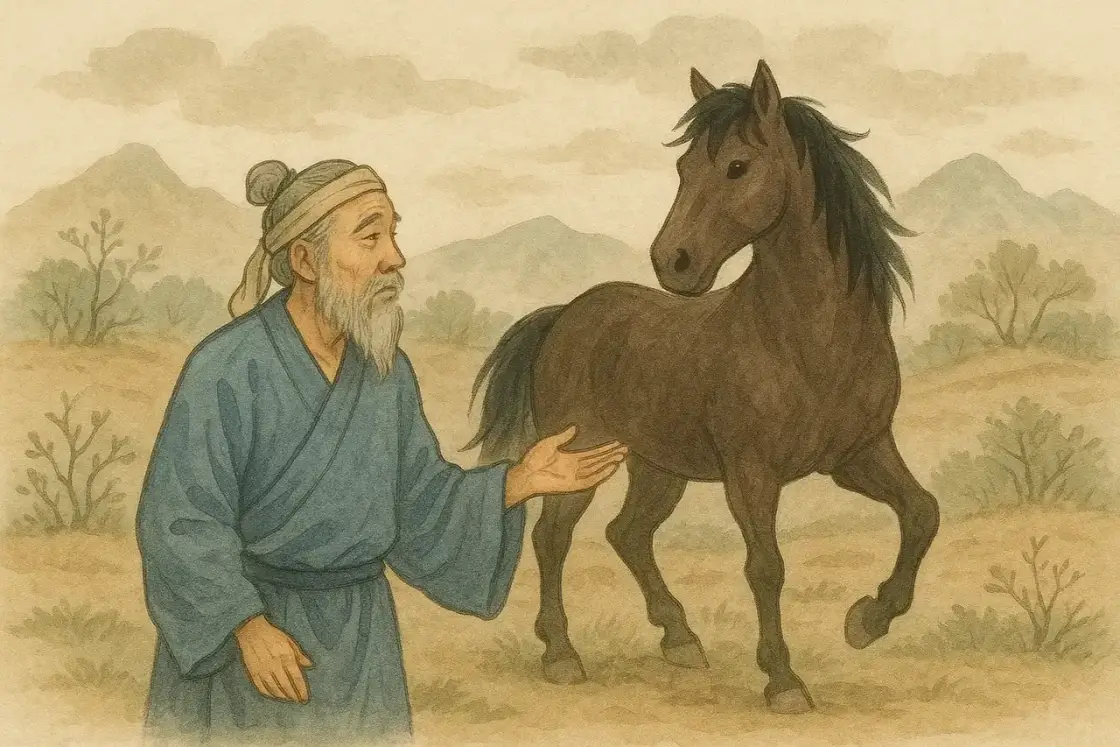
Read an HSK 4 story right now
Start with pinyin off and switch it on only if you get stuck. Tap any word for its meaning; turn on Translation to check yourself. Your settings carry over to every story.
很久以前,在中国的边境,有一个老人叫塞翁。Long ago, at China's border, there lived an old man named Sai Weng.他养了一匹马。He owned a horse.一天,这匹马突然跑到山里去了,不见踪影。One day, the horse suddenly ran into the mountains and disappeared.邻居们听说后,都来安慰他:“你丢了马,真是不幸啊!”When neighbors heard, they came to comfort him: 'Losing your horse is terrible luck!'
但塞翁平静地说:“谁知道呢?也许这会变成好事。”But Sai Weng calmly said: 'Who knows? This might turn out well.'
没过几天,塞翁的马回来了,还带回一匹漂亮的野马。Days later, the horse returned with a beautiful wild horse.邻居们赶来恭喜他:“你真幸运啊!”Neighbors rushed to congratulate him: 'How lucky you are!'
塞翁只是微笑:“谁知道呢?也许这会带来麻烦。”Sai Weng smiled: 'Who knows? This might bring trouble.'
果然,塞翁的儿子骑那匹野马时,摔断了腿。Soon after, Sai Weng's son broke his leg while riding the wild horse.邻居们又来安慰他:“这真不幸!”Neighbors came again: 'This is so unfortunate!'
塞翁依旧平静:“谁知道呢?也许这会带来好处。”Sai Weng remained calm: 'Who knows? This might bring benefits.'
没多久,边境发生战争,所有年轻人都必须当兵,许多人再没回来。Soon war broke out. All young men had to fight, and many never returned.但塞翁的儿子因为受伤,留在家里,保住了性命。But Sai Weng's son stayed home safely because of his injury.
这个故事的成语叫“塞翁失马,焉知非福”,意思是:坏事可能变成好事,好事可能带来麻烦。This story's idiom '塞翁失马,焉知非福' means: Bad things may bring good results, and good things may bring trouble.例如,一个女生叫丽莎失去工作后,利用时间创业,最后非常成功。For example, Lisa lost her job but started a business during that time, eventually becoming very successful.这就是“塞翁失马”——看起来的坏事,结果却变好了。This shows how 'Sai Weng's lost horse' works - what seemed bad actually brought good results.
Check your understanding
塞翁的马跑了以后,塞翁说了什么?
为什么塞翁的儿子没去当兵?
“塞翁失马”是什么意思?
How to practise reading at HSK 4
- Read in volume. At HSK 4, ten easy stories beat one hard one.
- When you meet a formal word (例如 进行, 获得, 影响), say what it would be in casual speech. It builds both registers at once.
- Pick nonfiction on a topic you already know in English — background knowledge does half the work.
- Switch to traditional characters for a week now and then. It's the cheapest way to make your recognition more robust.
Grammar you will practise here
Patterns from our Chinese grammar guide that have a story on this page built around them:
- 连 + X + 都/也 + VerbEven: 连…都/也practised in The Princess and the Pea
- 只要 A,就 B / 只有 A,才 BConditions: 只要…就 vs 只有…才practised in Yu Gong Moves the Mountains
- 不管 / 无论 + Question form + 都/也No matter: 不管/无论…都practised in The Shield and the Spear
- 即使 A,也 BEven if: 即使…也practised in The Lion and the Mouse
- Subj. + 却 + VerbBut/yet with 却practised in The Little Mermaid
- A,要不然 / 否则 + BOtherwise: 要不然 and 否则practised in Give Up Halfway
- Subj. + 既 + A + 又 + BBoth … and: 既…又…practised in Cao Cao and the Plum Trees
- 不是 A,而是 BNot X but Y: 不是…而是…practised in Fox Borrows Tiger's Might
All 48 HSK 4 stories
Grouped by theme and sorted from easiest to hardest within each group (by length and word difficulty). Parts of a series stay together and in order. Reading times are rough estimates at a comfortable HSK 4 pace.
Grammar in Context 3 stories
 A New Beginning (Part 1)早上六点,小农来到自己的小农场。他看…
- A Small Farm Problem (Part 2)下午,小农去看他昨天种下的种子。他蹲…
 A New Route Begins (Part 1)早上六点,阿强来到车站。今天是新的路…
Daily Life & Work 13 stories
 Lil Jon Gets Ready for the Day小约翰的闹钟响得很大声。他迅速坐起身…
- Lil Jon Takes the Bus在公交车站,司机问:“您有票吗,先生…
- Lil Jon Orders Lunch在麦当劳,收银员问:“你要点餐吗…
- Lil Jon Records a Song在录音室里,朋友问:“小约翰,你准备…
- Lil Jon Goes to the Gym在健身房,教练问:“你准备好锻炼了吗…
- Lil Jon Prepares for Bed晚上,妈妈问:你刷牙了吗,小约翰?小…
 Finding a Way小郭深呼吸,告诉自己要冷静。他马上打…
- A New Problem第二天一早,公司网络坏了。大家都着急…
 The Breakfast Rush (Part 2)早上最忙的是早餐时间。有客人点面条…
 Finding Inspiration (Part 1)林米是一位生活类网红,她每天都要想新…
- The Morning Video (Part 2)林米准备开始拍“美好早晨”的影片,她…
 Morning Orders (Part 1)早上七点,陈明穿上黄色外套,戴上安全…
- Fire in the Kitchen (Part 2)中午十二点,张师傅的餐厅很热闹。他一…
AP Chinese Themes 4 stories
 The Model Has a Problem (Part 2)下午,李明的模型终于跑完了,可是结果…
 Pictures vs. Reality (Part 2)周末之前,小林先在手机上仔细看了那三…
 Chang'e Flies to the Moon很久以前,天上突然出现十个太阳!大地…
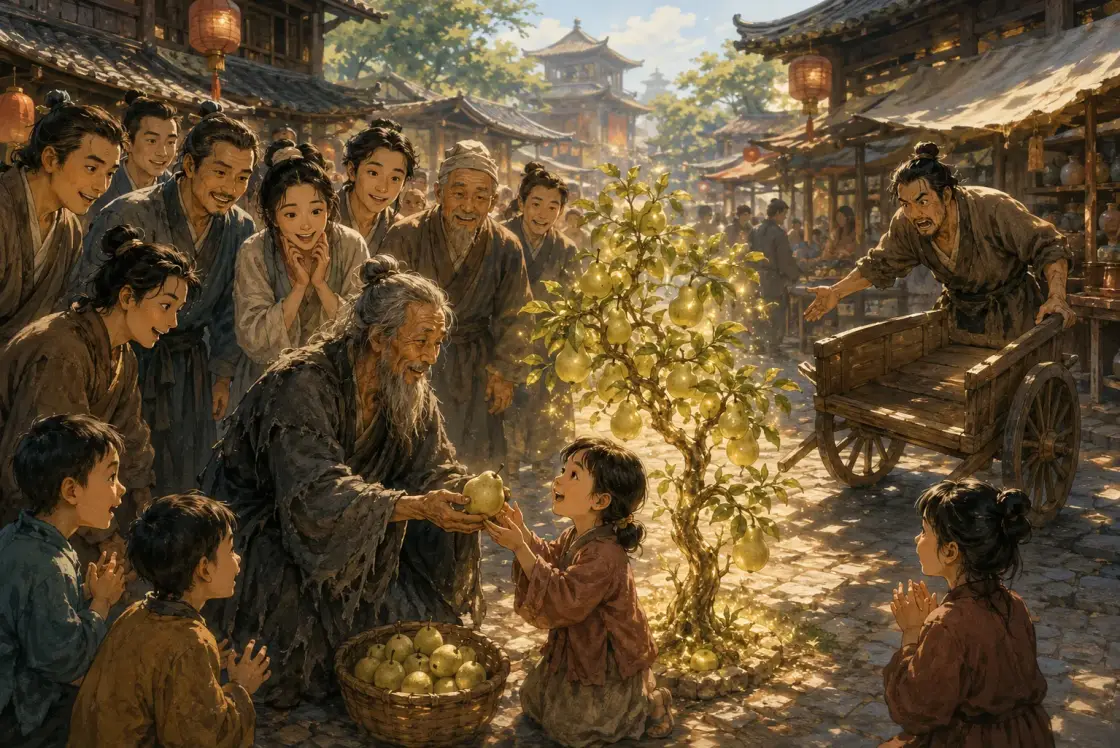 The Pear Seller很久以前,在一个小城的集市上,有一个…
Chinese Idioms 13 stories
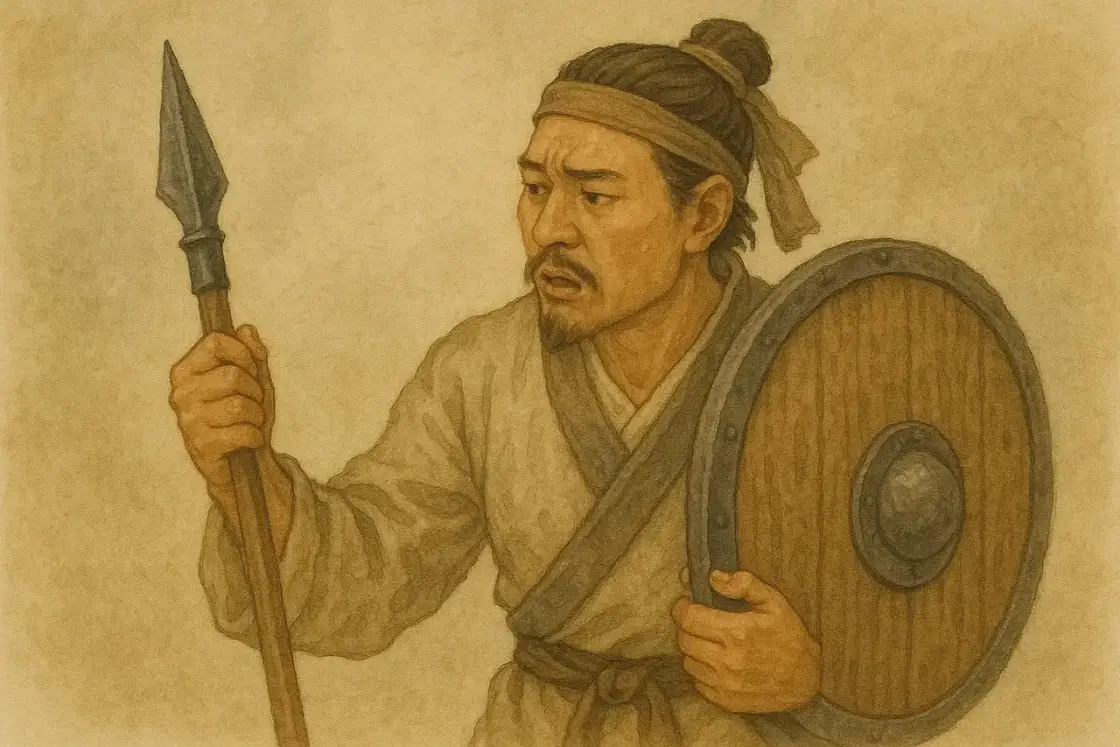 The Shield and the Spear很久以前,在中国有一位卖武器的商人…
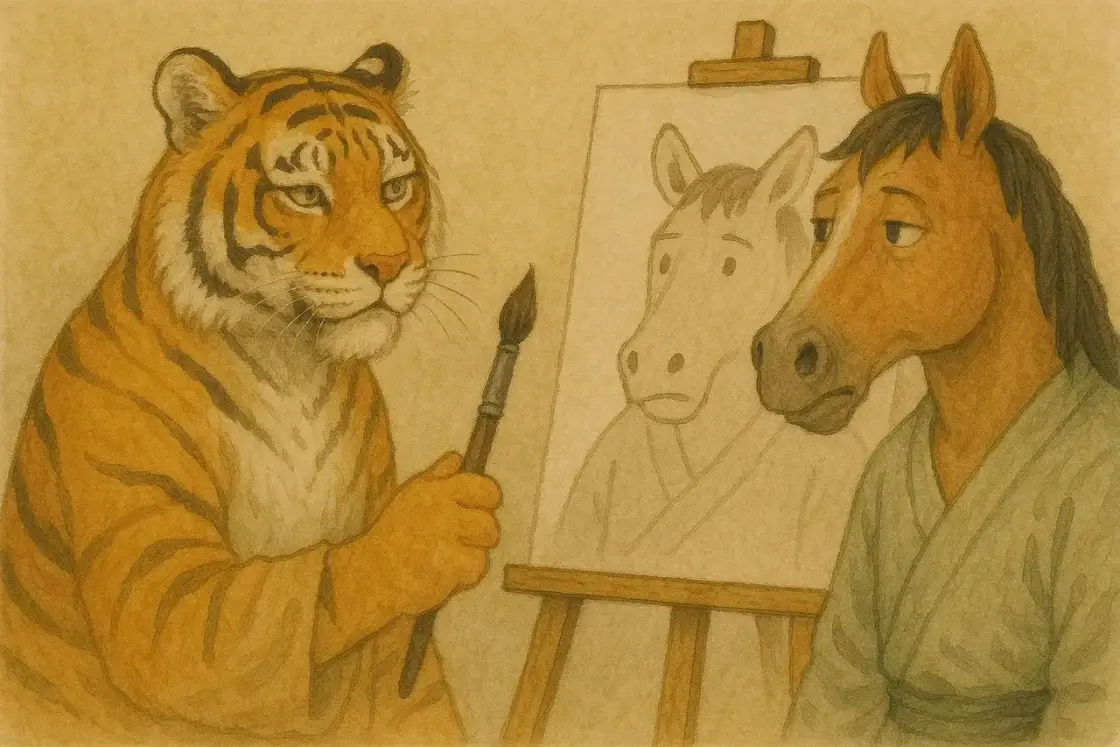 The Painter and the Horse-Tiger从前有一位画家,他擅长画动物。有一天…
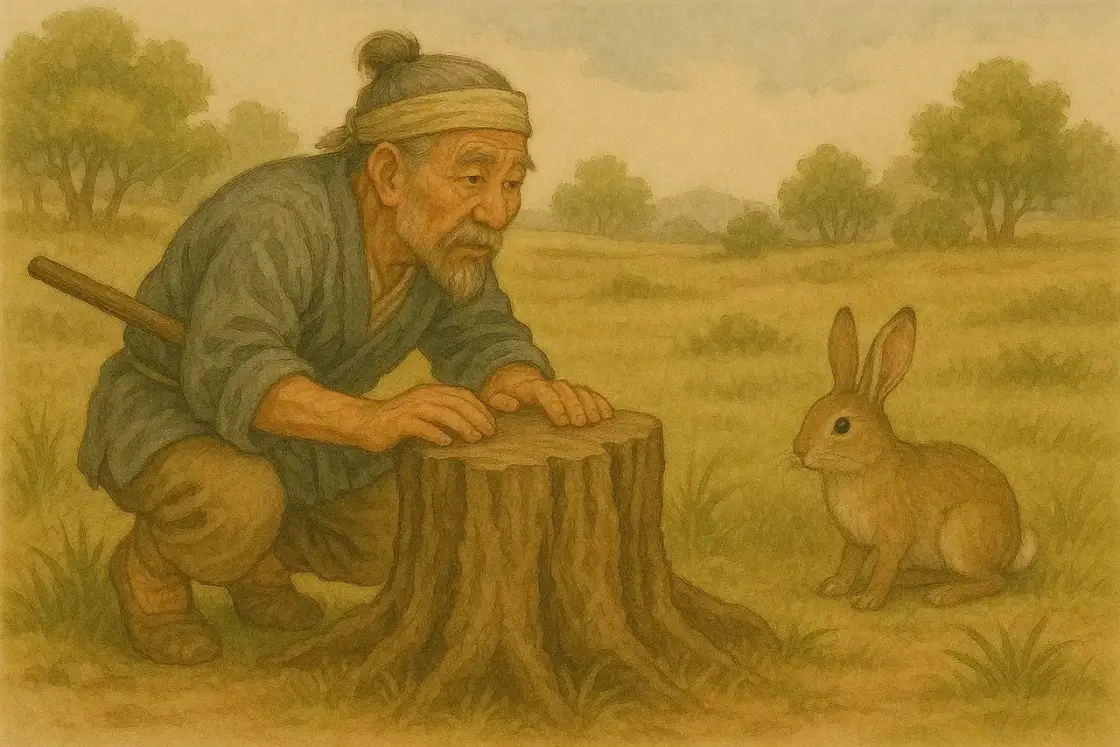 The Farmer and the Rabbit很久以前,在中国有一个农夫,他每天都…
 The Impatient Farmer从前有个农民。他每天都很着急。他希望…
 The Sky-Fearing Man of Qi很久很久以前,杞国有个人天天抬头看天…
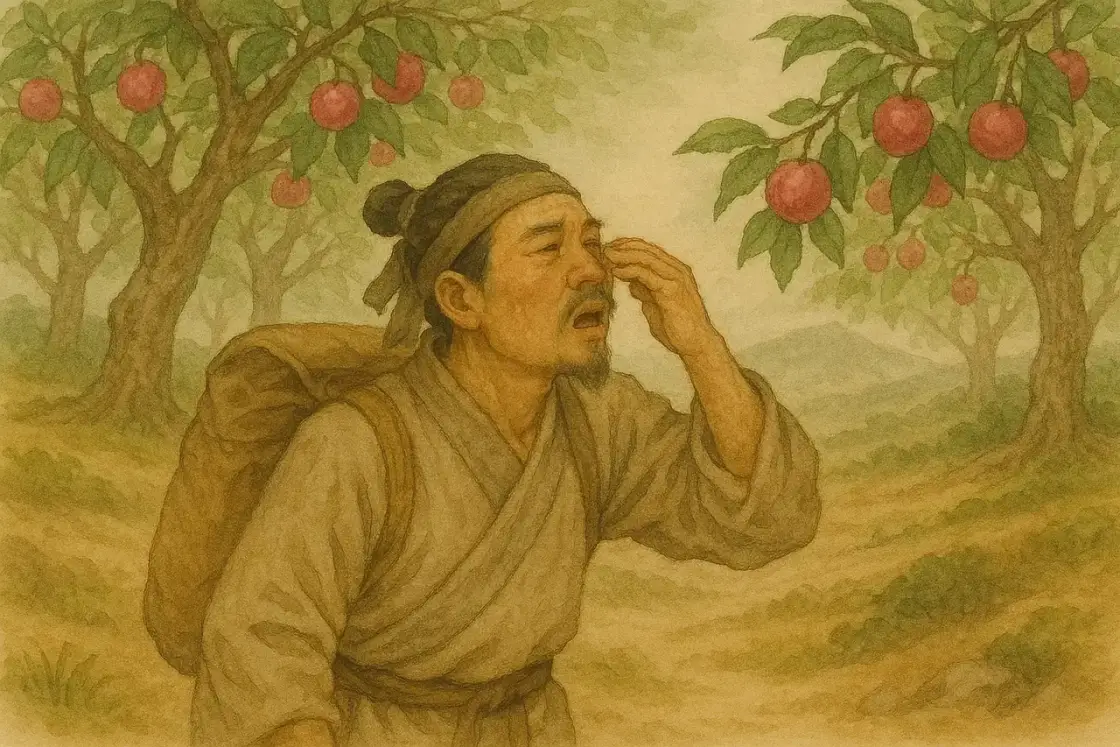 Cao Cao and the Plum Trees很久以前,在中国有一位很有名的将军曹…
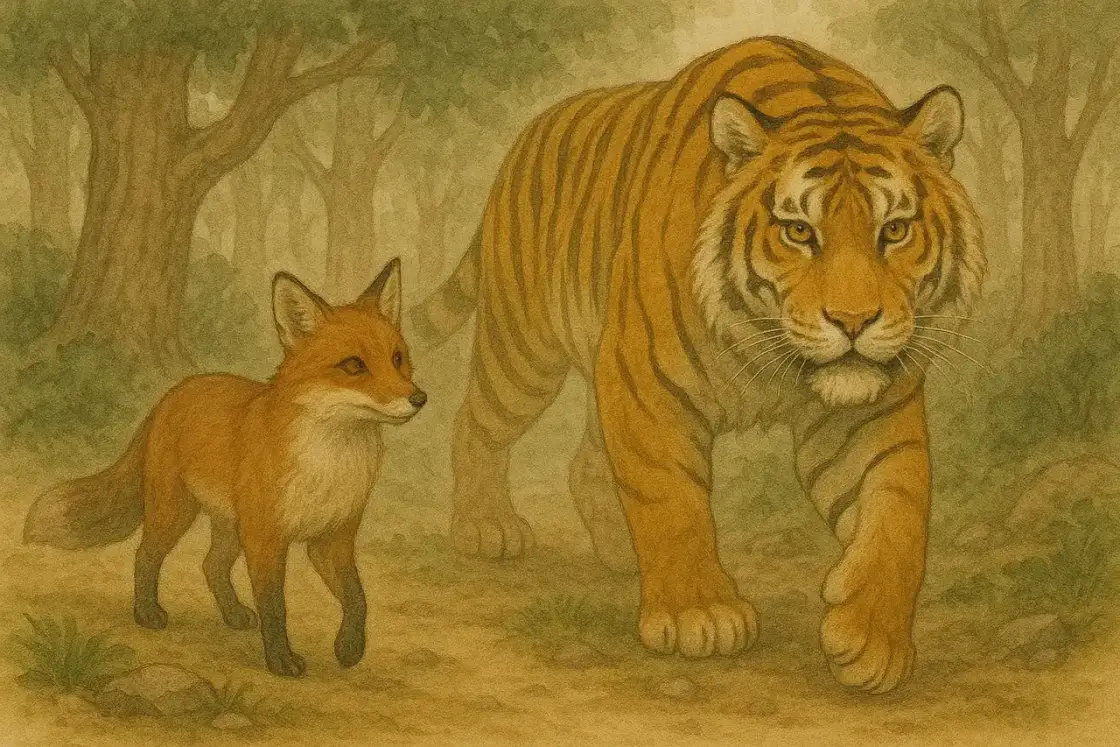 Fox Borrows Tiger's Might很久以前,在中国的一片森林里,住着一…
- Sai Weng Loses His Horse很久以前,在中国的边境,有一个老人叫…
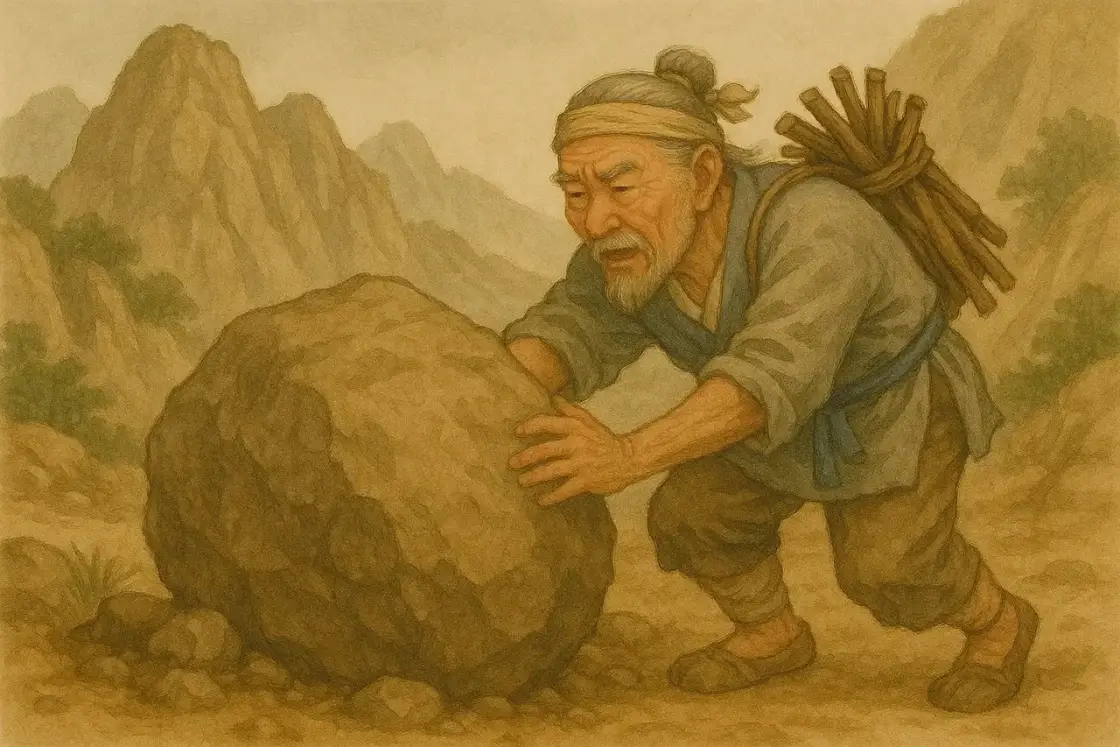 Yu Gong Moves the Mountains很久以前,在中国有一位老人,名叫愚公…
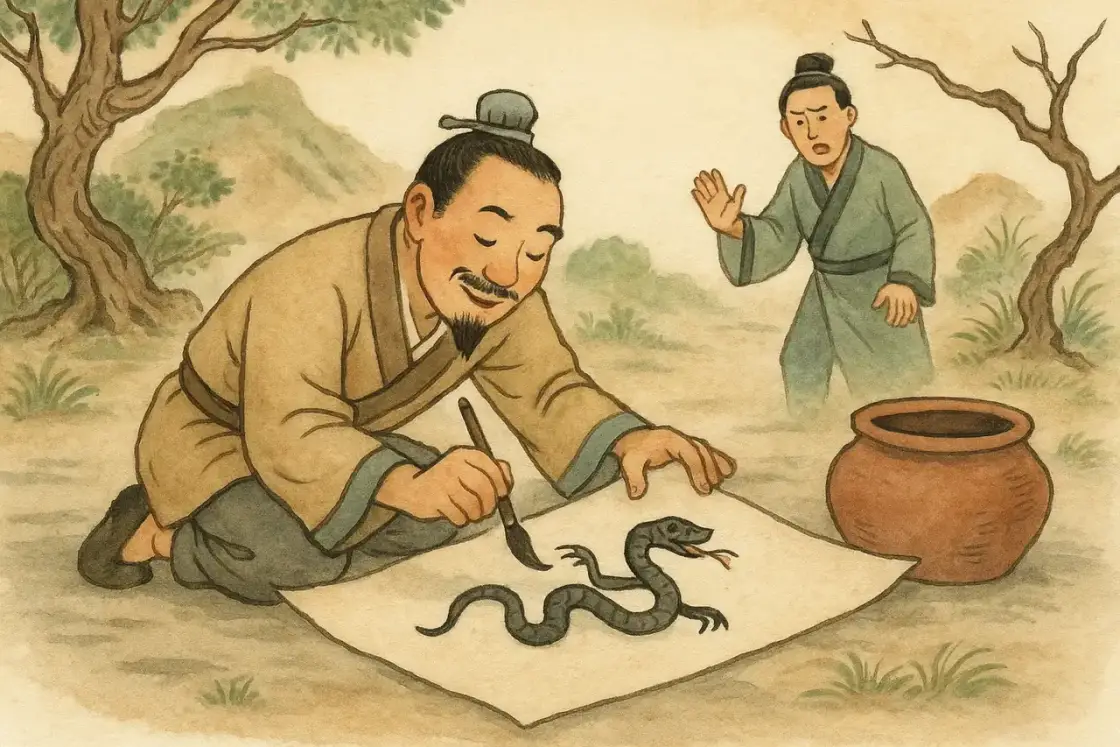 Drawing a Snake and Adding Feet很久以前,在中国有一群朋友一起喝酒聊…
 Give Up Halfway从前,有个叫乐羊子的人捡到一块金子…
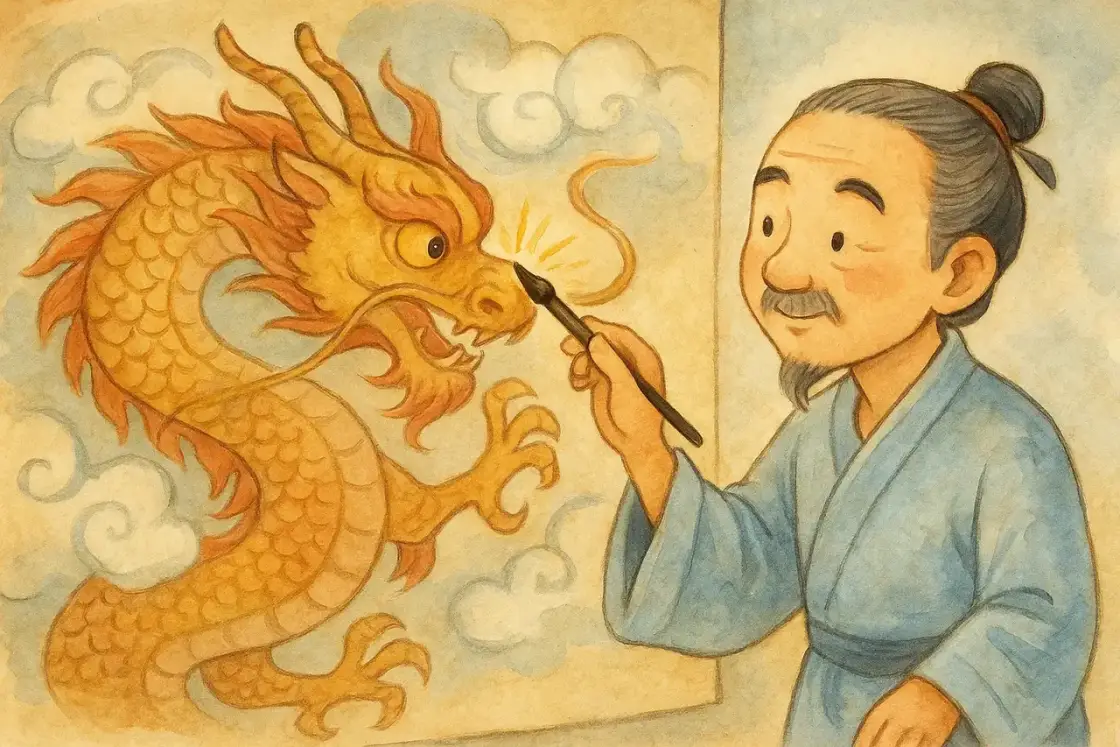 Dotting the Dragon's Eyes很久以前,南朝有一位画家,名叫张僧繇…
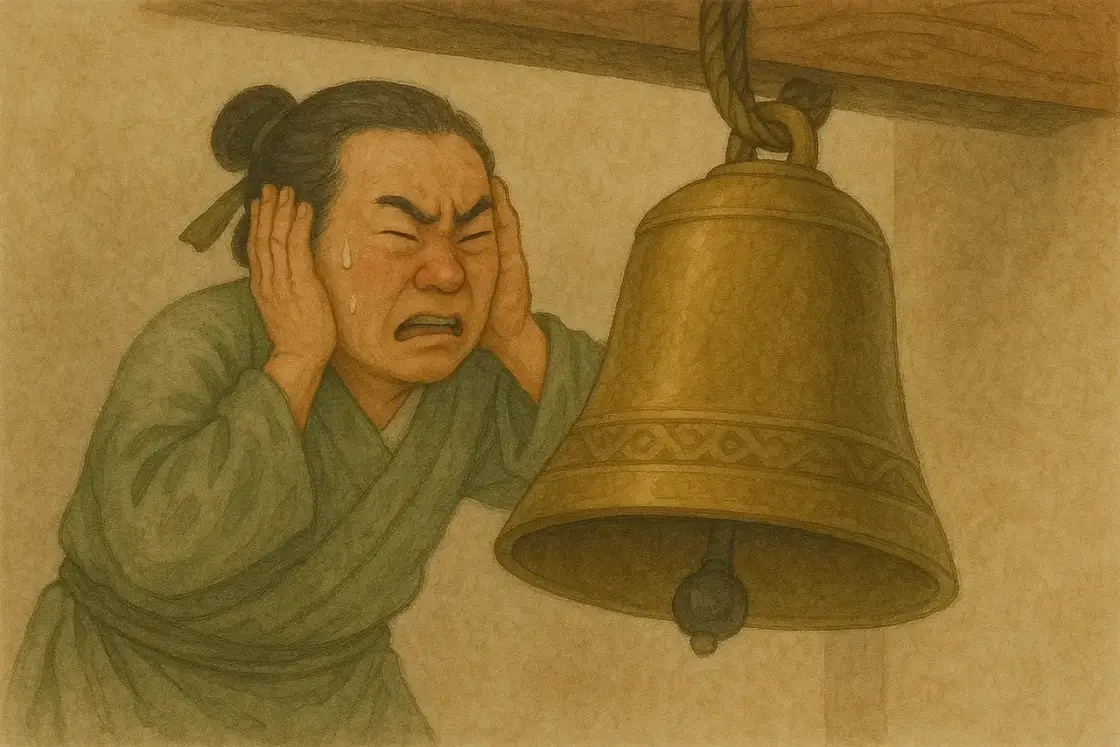 The Thief and the Bell很久以前,在中国有一个小偷。有一天…
Historical Figures 5 stories
 Sima Qian: His Father's Last Wish (Part 1)两千多年前,中国是汉朝的天下。在皇帝…
 Sun Yat-sen: The Boy Who Asked Questions (Part 1)一八六六年,孙中山出生在广东的一个小…
 Yue Fei: Four Characters on His Back (Part 1)一一零三年,岳飞出生在河南的一个农民…
 Xuanzang: Leaving Without Permission (Part 1)一千四百年前,唐朝的长安城里,住着一…
 Wu Zetian: The Girl Who Would Not Stay Quiet (Part 1)一千三百多年前的唐朝,出了一位中国历…
Classic Fables 7 stories
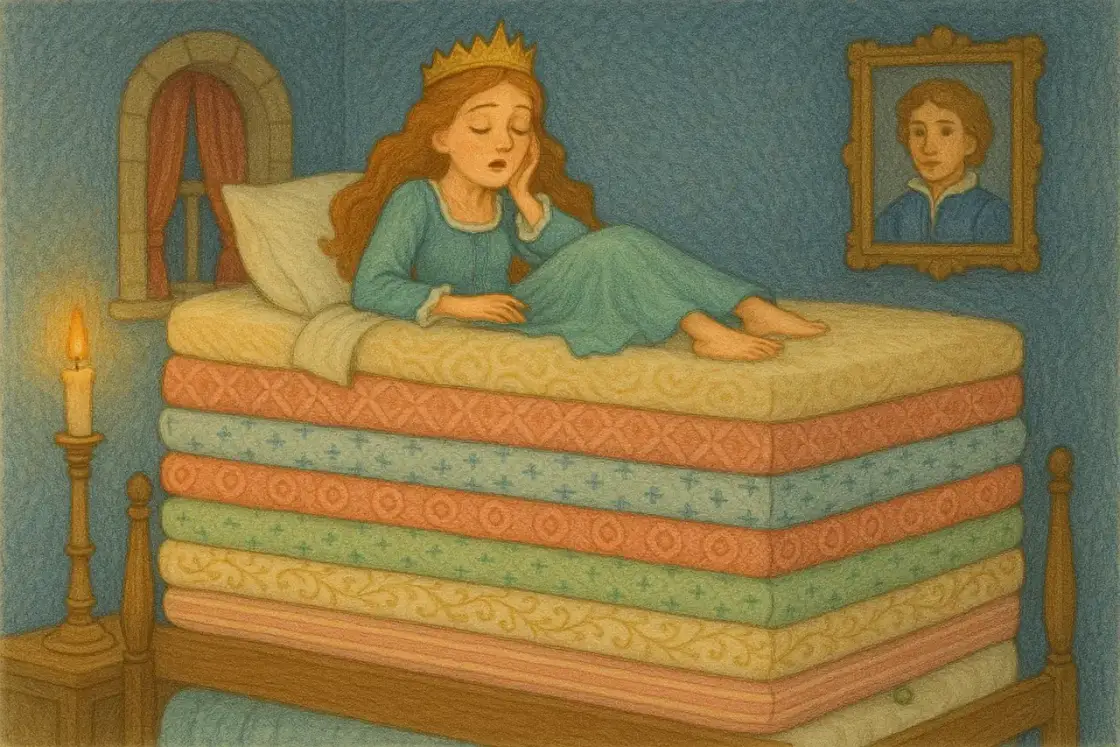 The Princess and the Pea一个下大雨的晚上,王宫门口突然传来敲…
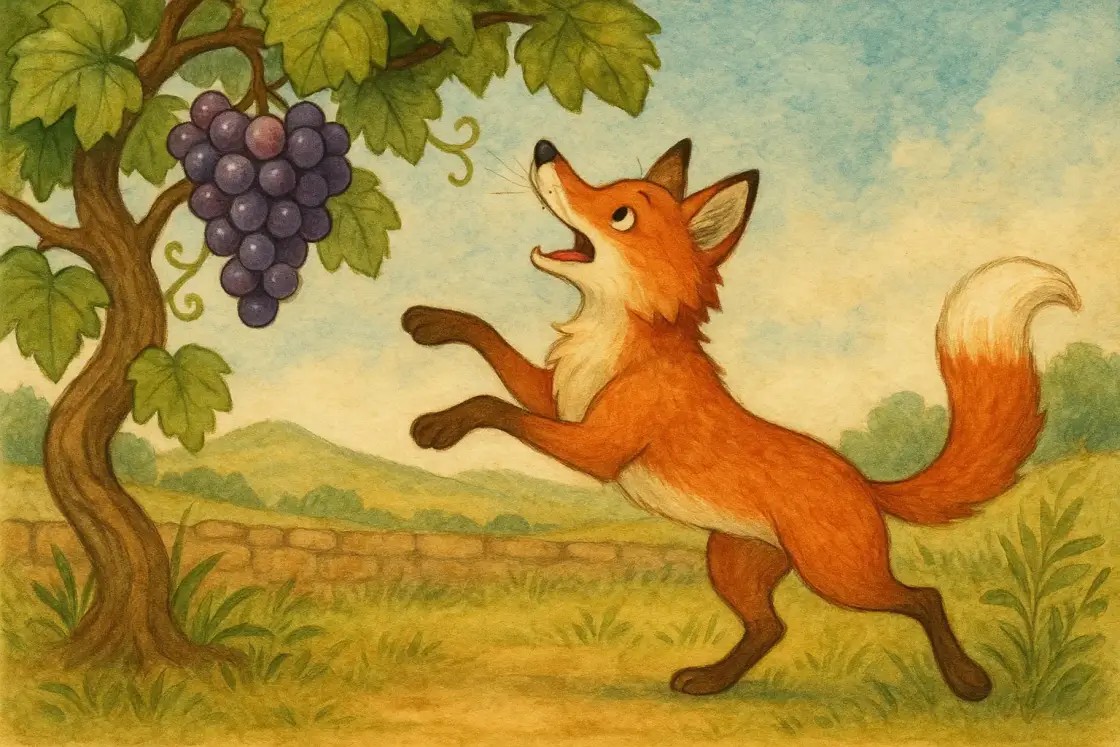 The Fox and the Grapes一个炎热的夏天,狐狸又饿又渴。它走着…
 The Lion and the Mouse有一天,一只狮子在森林里睡觉。突然…
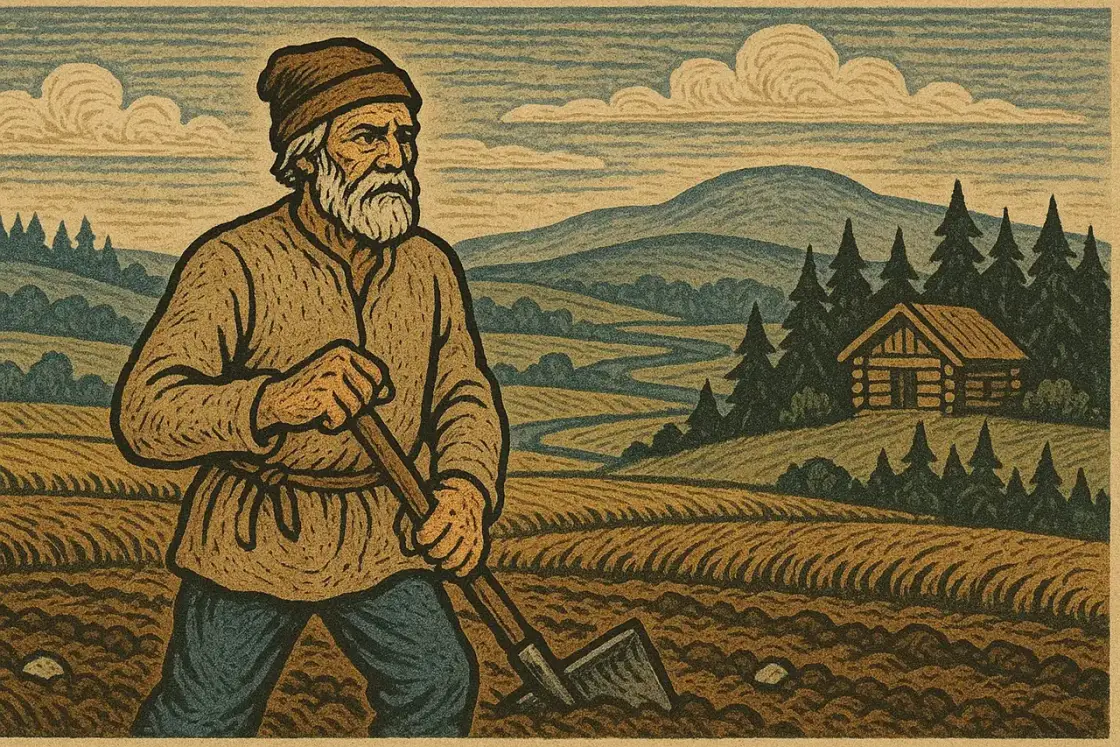 The Story of Farmer Paavo帕沃是个贫穷的农夫,他和妻子、孩子住…
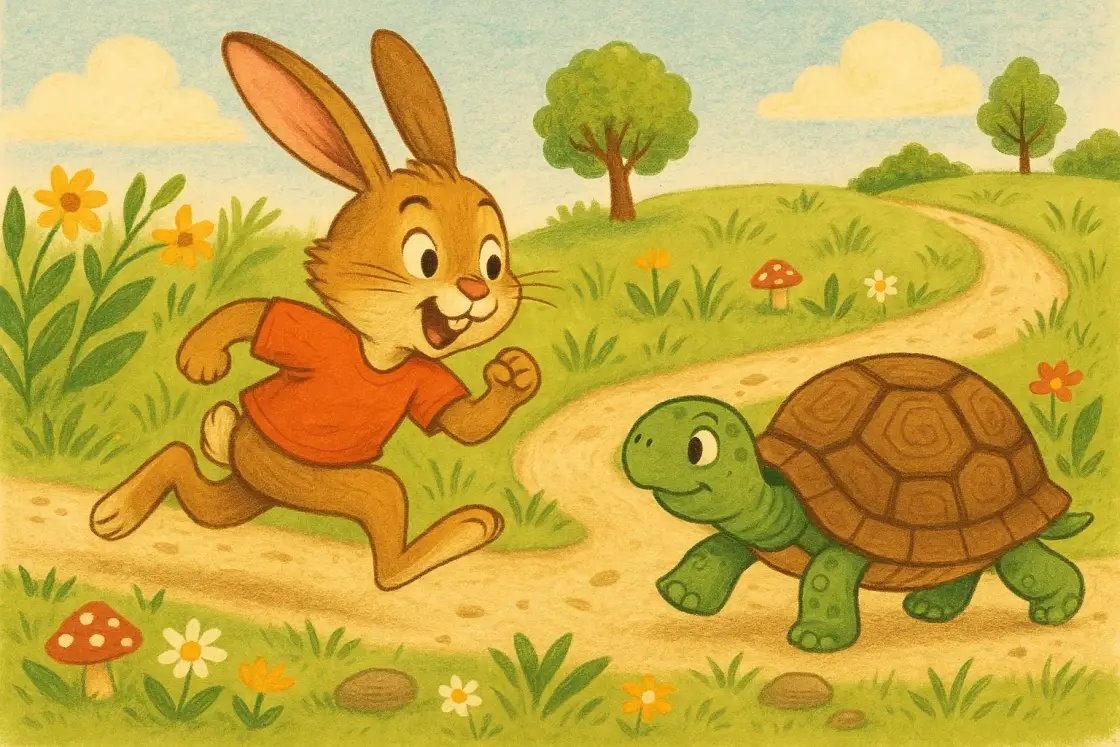 The Tortoise and the Hare从前,有一只跑得飞快的兔子,它总是骄…
 Thumbelina从前,有个女人想要个孩子,仙女送给她…
 The Little Mermaid海底住着一位小美人鱼,她最爱听祖母讲…
More Stories 3 stories

Key HSK 4 words in these stories
These are the HSK 4 words (HSK 3.0 list) that turn up most often across the stories on this page, so they are the ones worth knowing before you start — you'll see each of them again and again. Browse the full HSK 4 word list for everything else.
- 却卻quèbutin 15 of 48 stories
- 着著zháoto touchin 14 of 48 stories
- 就是jiù shìexactlyin 12 of 48 stories
- 例如lì rúfor examplein 7 of 48 stories
- 结果結果jié guǒresultin 6 of 48 stories
- 当當dāngto serve asin 6 of 48 stories
- 啊āinterjection of surprisein 5 of 48 stories
- 忽然hū ránsuddenlyin 5 of 48 stories
- 从此從此cóng cǐfrom then onin 5 of 48 stories
- 好好hǎo hǎoproperlyin 4 of 48 stories
- 也许也許yě xǔperhapsin 4 of 48 stories
- 重新chóng xīnagainin 4 of 48 stories
- 流liúto flowin 4 of 48 stories
- 美好měi hǎowonderfulin 4 of 48 stories
- 棵kēclassifier for trees and plantsin 4 of 48 stories
- 拍pāito patin 4 of 48 stories
- 森林sēn línforestin 4 of 48 stories
- 所有suǒ yǒuallin 4 of 48 stories
- 父亲父親fù qīnfatherin 4 of 48 stories
- 全quánallin 4 of 48 stories
- 土tǔearthin 3 of 48 stories
- 早晨zǎo chénearly morningin 3 of 48 stories
- 力气力氣lì qistrengthin 3 of 48 stories
- 即使jí shǐeven ifin 3 of 48 stories
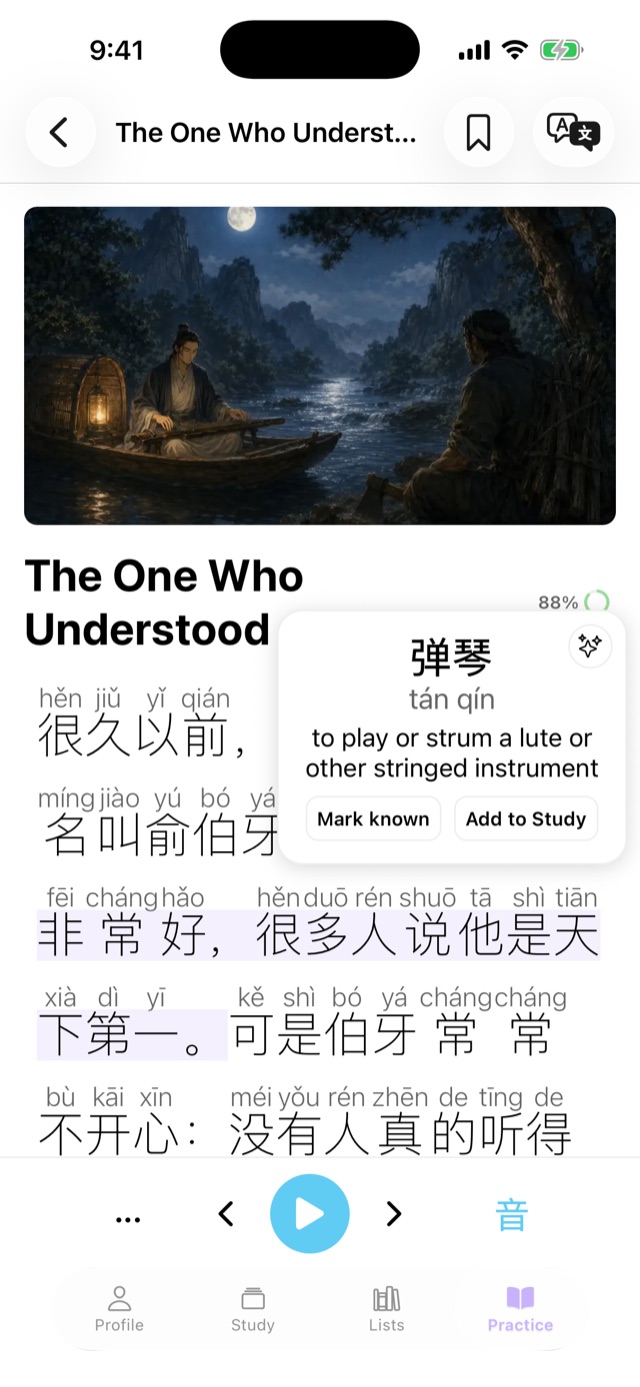
More HSK 4 stories, with audio, in the app
The Literate Chinese app has 61 more stories at this estimated level beyond the 48 here, out of 1,000+ graded stories in total. It doesn't sort them by HSK band, though — it tracks the words you actually know and shows how familiar each story is, so you can pick ones that are just hard enough.
Every story is narrated by native speakers in Mainland or Taiwan Mandarin, in Simplified or Traditional characters, and any word you tap can become a flashcard.


Frequently asked questions
How many characters do I need for HSK 4 reading?
The 2026 HSK 3.0 syllabus has 1,994 words through HSK 4, written with 1,096 different characters. You can start these stories well before you know them all: 90% of the characters in the 48 stories on this page are HSK 1–4 characters, and you can tap any word for a definition.
Is HSK 4 reading hard?
The grammar is not much harder than HSK 3; the vocabulary is. About a thousand new words arrive, many of them formal. The fix is volume: reading lots of stories where 95%+ of the words are already familiar, so the new ones are learned from context instead of from a list.
How long are HSK 4 reading passages?
The 48 stories here run from 65 to 509 characters, with a typical story of about 261 characters and sentences averaging 16.8 characters. Together they add up to 11,711 characters of reading at this level.
Can I read these stories in traditional characters?
Yes. Every story has a 简/繁 switch at the top; it changes the whole text to traditional characters and remembers your choice. See traditional reading practice for more.
Do the stories have audio?
In the browser you can hear any single word with your device's voice from the tap-to-define card. Full narration by native speakers, in Mainland or Taiwan Mandarin, is in the free Literate Chinese app.
Also useful: Not sure of your level? Take the 2-minute character test · HSK 4 word list · Traditional reading practice · All Chinese reading practice